
When My Work Started Feeling Replaceable
After realizing that AI wasn’t a magic button—and that using it for quick answers was quietly making my brain lazy—I ran into one more uncomfortable realization.
I wasn’t really worried that AI would replace my work.
I was worried that my work was starting to sound replaceable.
At some point, I reread something I’d written and had this sinking feeling:
This could have been written by anyone.
It wasn’t bad.
It wasn’t wrong.
It was just… fine.
But it didn’t feel like mine.
That’s when it clicked: AI didn’t flatten my voice. I stopped taking the time to shape it.
Originality Isn’t a Spark — It’s a Process
I used to think originality meant coming up with something brand new—something no one had ever said before.
Now I think that’s wrong.
Originality is usually much quieter than that.
It’s:
- A personal angle
- Lived confusion
- Earned opinions
- Specific judgment calls
When I started jumping straight to “What should I say?”, I skipped the struggle where originality actually forms.
AI didn’t erase my voice.
It just filled the silence I should have been sitting in.
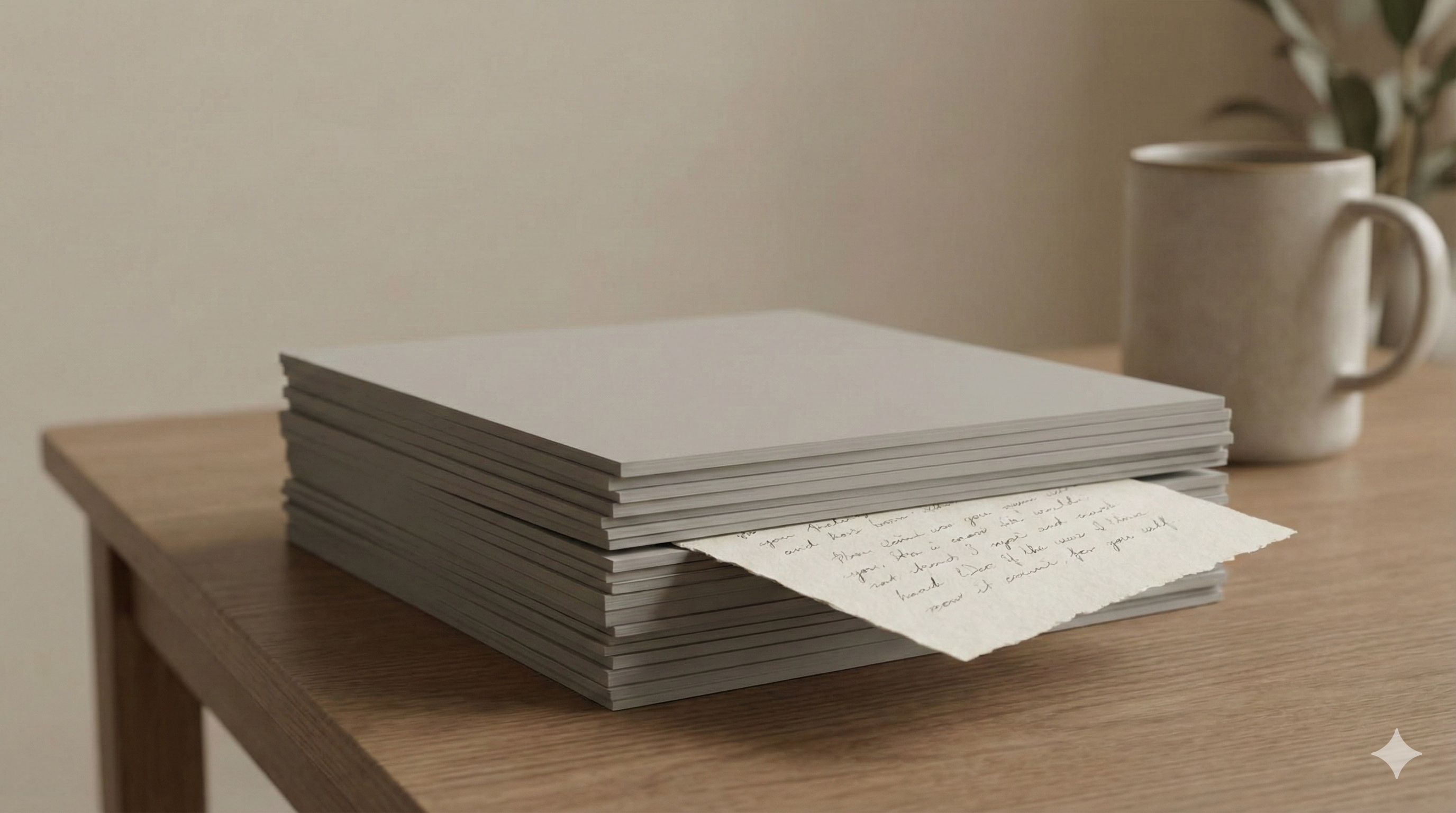
Why “Perfect Prompts” Eventually Fail
This is where most AI advice quietly falls apart.
You see people sharing:
- “The best prompts”
- “Frameworks that always work”
- “Exact instructions for perfect output”
And yes—those things work.
For a while.
But borrowed prompts produce borrowed thinking.
A prompt doesn’t know:
- What you believe
- What you’ve experienced
- What you’re conflicted about
- What trade-offs you’re willing to accept
So the output comes out polished—but empty.
What’s missing is taste.
You Can’t Automate Taste
AI can generate a thousand options.
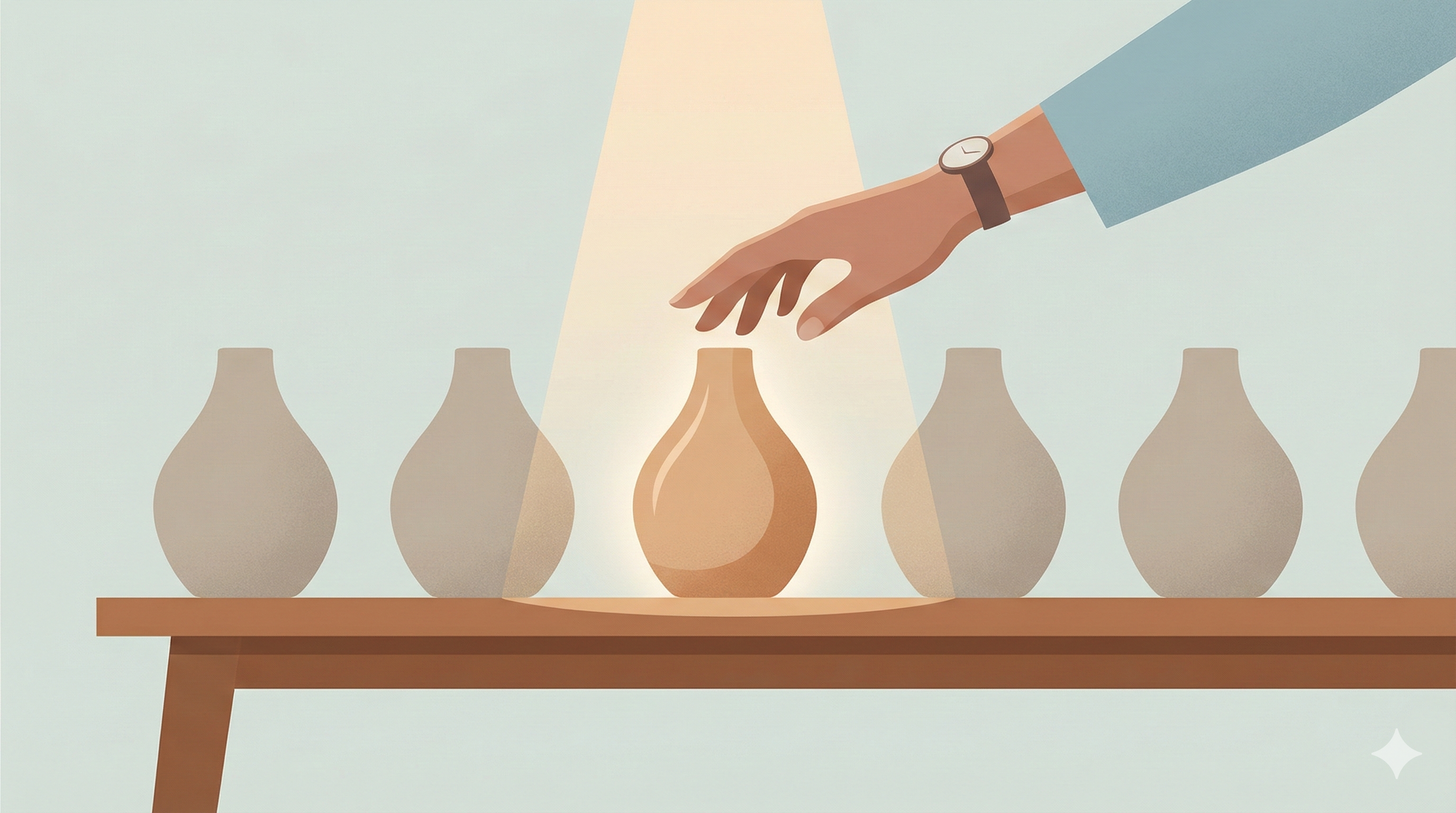
It can’t tell you which one matters.
That choice comes from taste.
And taste is a muscle—it only grows when you use it.
Taste is built by:
- Reading things you disagree with
- Writing badly and refining it
- Noticing when something feels “off,” even if you can’t explain why yet
When I relied too heavily on AI, my taste stopped developing—because I wasn’t exercising it.
You can’t automate taste.
You can only practice it.
How I Use AI Now Without Losing Myself
The shift was subtle, but it changed everything.
I stopped asking:
“What should I write?”
And started saying:
“Here’s what I think. Now help me pressure-test it.”
I let AI:
- Challenge my reasoning
- Point out blind spots
- Offer counterexamples
But I don’t let it decide what’s important.
That decision stays with me.
The Real Risk Is Avoidance
I don’t think AI is going to make people less creative.
I think it’s going to make it easier to avoid the uncomfortable part of creating.
The part where:
- Your ideas are fragile
- Your confidence isn’t there yet
- Nothing feels ready
But that discomfort isn’t a flaw in the process.
That discomfort is the process.
I’m Still Learning to Sit With It
I still have days where I catch myself reaching for AI way too early.
There are still mornings where I just want a clean answer instead of sitting with the uncertainty of a blank page.
But now I know what I’m giving up when I do that.
Originality doesn’t come from better tools.
It comes from staying present in the work long enough to form an opinion worth standing behind.
AI doesn’t kill originality. Skipping the thinking does.
I’m still learning how to make sure I don’t skip it.