
After spending the last few days thinking about why AI isn’t a magic button and why skipping the struggle kills originality, I keep circling back to one uncomfortable conclusion:
AI doesn’t level the playing field. It actually widens it.
That sounds a bit pessimistic, but it’s actually quite clarifying once you sit with it for a minute.
The Gap That Was Already There
Whenever a new tool drops, we all get access at the exact same time. Same interface, same capabilities, same starting line.
But almost immediately, the outcomes start to drift apart.
Some people move faster and with more clarity.
Others just feel overwhelmed, noisy, or left behind.
AI isn’t creating that gap out of thin air; it’s just exposing a gap that was already there.
For a long time, we told ourselves that access was the bottleneck—that if everyone had the same tools and information, results would even out.
AI is proving that wrong.
Now that the tools are cheap and everywhere, the things that actually matter have become much more obvious: judgment, context, taste, and experience.
The frustrating part?
Those things aren’t evenly distributed—and they definitely can’t be downloaded.
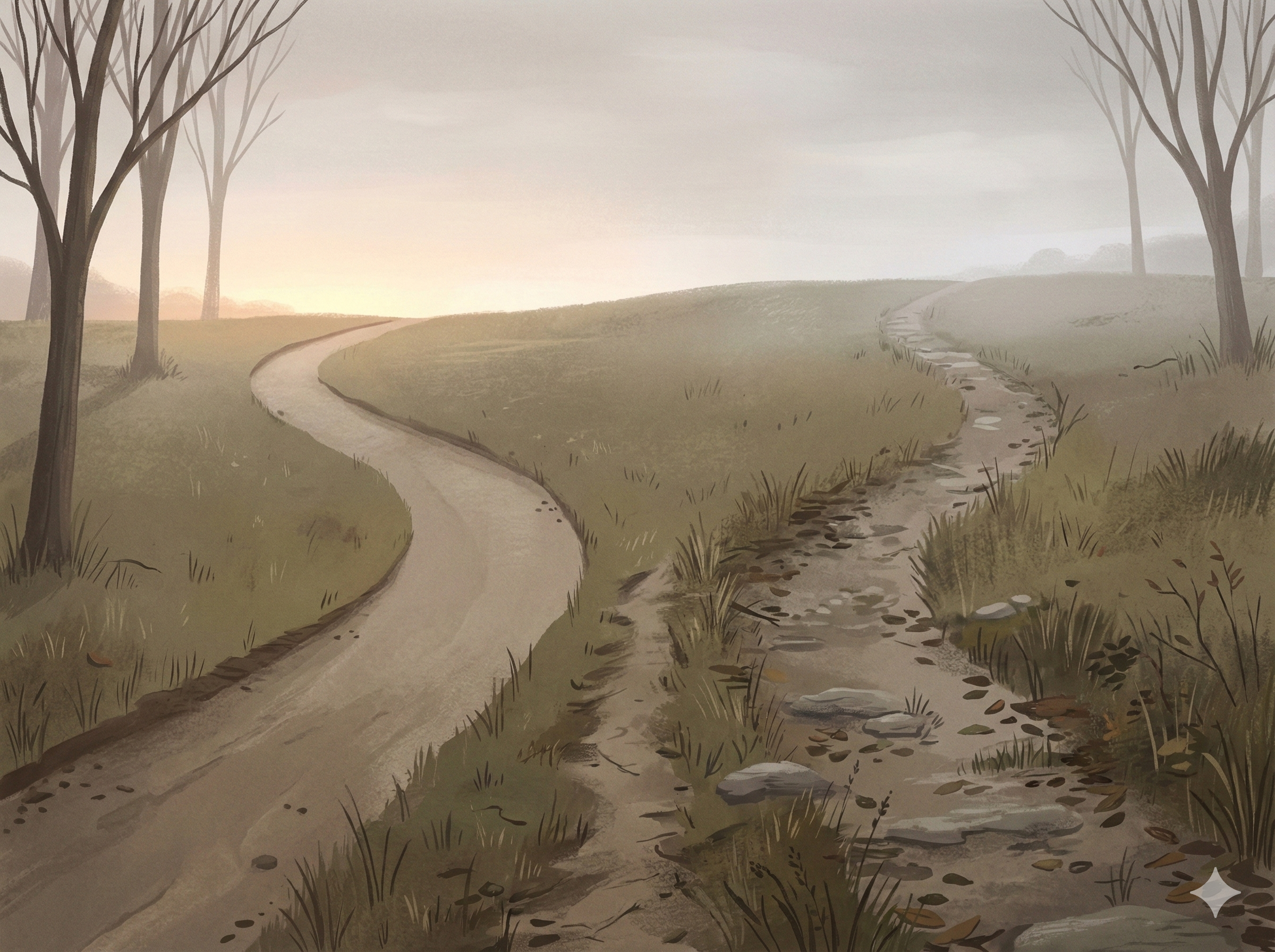
What Compounds in the Dark
The people who seem to be “winning” with AI usually aren’t doing anything flashy.
They’ve just spent years:
- making small decisions
- being wrong
- correcting themselves
- noticing patterns
That work compounds quietly, in the background.
AI doesn’t replace that history.
It just stacks on top of it.
This is why shortcuts are so tempting—but rarely work in the long run.
You can’t stack a heavy, high-leverage tool on top of a foundation that hasn’t been built yet.
It’s also why most frameworks have a short shelf life. They’re designed to be portable, but real work is messy and specific.
AI can generate frameworks all day long.
It can’t tell you when it’s time to break the rules.
That decision only comes from having scar tissue—real experience.
The Only Way Across
If AI makes the gap bigger, how do you actually close it?
Not by writing better prompts.
Not by buying more tools.
Honestly, you close it by doing the reps.
By doing the work slowly enough to understand why something failed instead of immediately rushing to the next thing.
That’s not exciting advice—but it’s the only kind that holds up.
Struggle isn’t inefficiency.
It’s data.
Every time you struggle with a problem, you’re building the judgment that AI will eventually amplify.
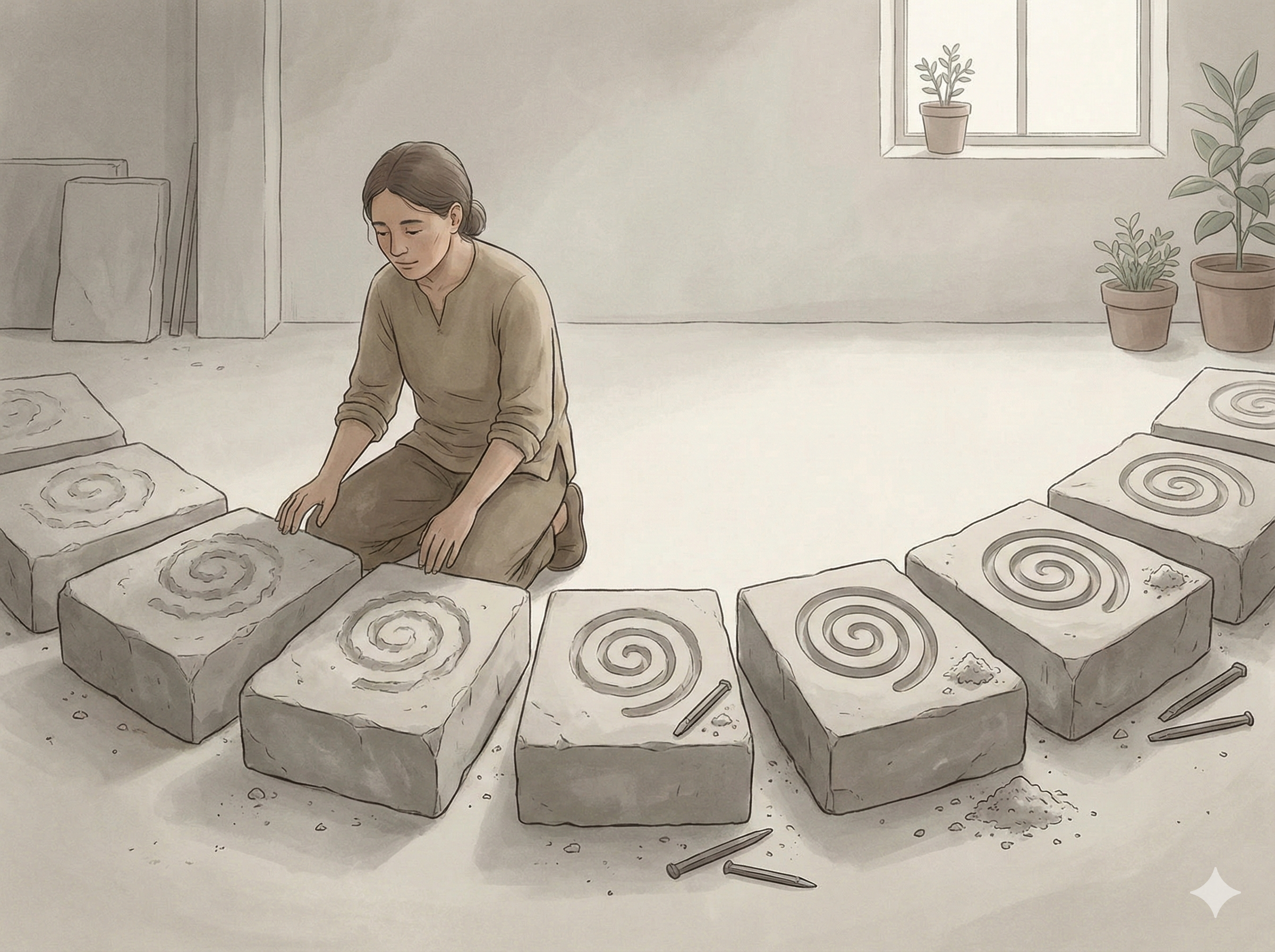
I’m Still on the Slow Path
I’d be lying if I said I don’t still feel the pull of the shortcut.
There are plenty of days when I want to skip the hard part, use AI to sound smarter than I am, and just move on.
But I’ve started to realize that every time I do that, I’m borrowing progress from my future self.
I’m trading long-term growth for a short-term win.
So I’m trying to stay on the slower path—the one where progress is uneven and understanding takes time.
Final Thought
AI doesn’t decide who gets ahead.
It just makes the consequences of how you learn show up much faster.
The gap isn’t closed by speed.
It’s closed by staying with the work long enough to actually own it.
I’m still doing that work—one day at a time.